
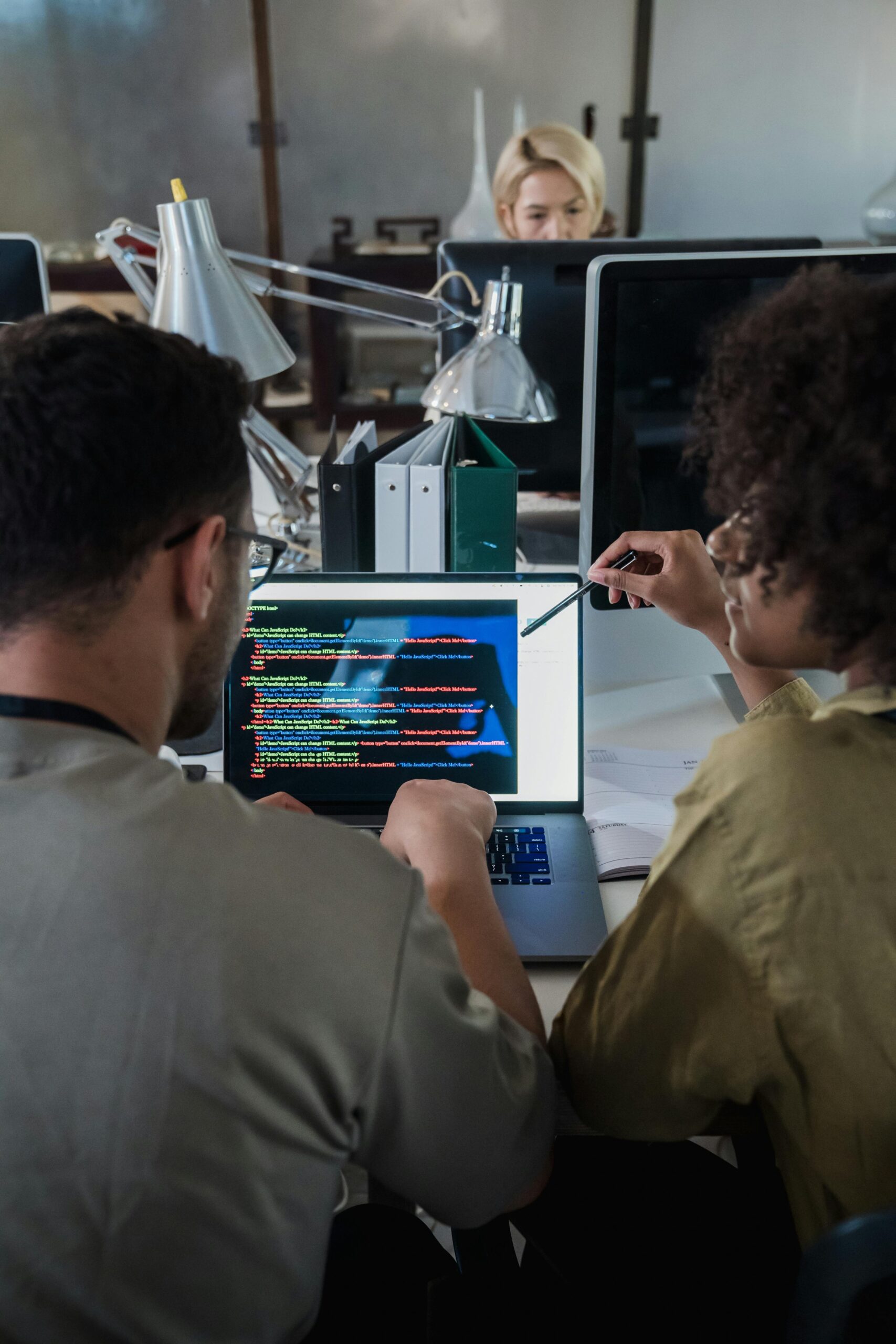
In a Silicon Valley startup, shipping is everything.
New features, faster releases, constant updates — the pressure to “build and ship” never really stops. As a developer, you get used to measuring your work in lines of code, commits, and deployments.
But one of the most impactful days I’ve had at work… we didn’t write a single line of code.
It started with a problem that kept coming back. Users were dropping off at a specific point in our product. Not crashing, not complaining — just quietly leaving.
Naturally, the first instinct was to fix it with engineering.
We brainstormed solutions: new features, backend improvements, performance optimizations. Everyone had ideas, and most of them involved building something new.
But before jumping in, we decided to do something unusual.
We watched.
We sat with real user session recordings and observed how people interacted with the product. No assumptions, no theories — just raw behavior.
And what we saw was… humbling.
Users weren’t struggling because the system was broken.
They were confused.
A button label wasn’t clear. A step in the process felt ambiguous. The flow made sense to us — the people who built it — but not to someone seeing it for the first time.
The problem wasn’t technical.
It was human.
Instead of rewriting the feature, we made small changes. Renamed a few buttons. Simplified instructions. Removed one unnecessary step.
That was it.
No big release. No complex deployment.
Just clarity.
When we rolled out the changes, the results were immediate. Drop-offs decreased. Engagement improved. Support tickets related to that flow almost disappeared.
All without adding more code.
That day changed how I think about building products.
As developers, we often assume better solutions mean more engineering. But sometimes, the most effective fix isn’t adding complexity — it’s removing it.
It’s easy to get caught up in building more.
It’s harder — and often more valuable — to step back and ask if anything needs to be built at all.
Because in the end, users don’t care how much code you wrote.
They care about how easy it feels to use what you built.